Why Are Pap Smears Important?
A Pap smear is one of the most important tests for women's health. Yet, many women put it off or skip it. Some are not sure why it matters. Others may not know when to start or how often to go.
A Pap smear is a quick test that checks for changes in the cells of your cervix. These changes can sometimes lead to cervical cancer if they are not found early. A Pap smear is one of the best ways to catch problems before they become serious.
What Is a Pap Smear?
A Pap smear looks for cells that are not normal on your cervix. Your cervix is the lower part of your uterus that connects to your vagina.
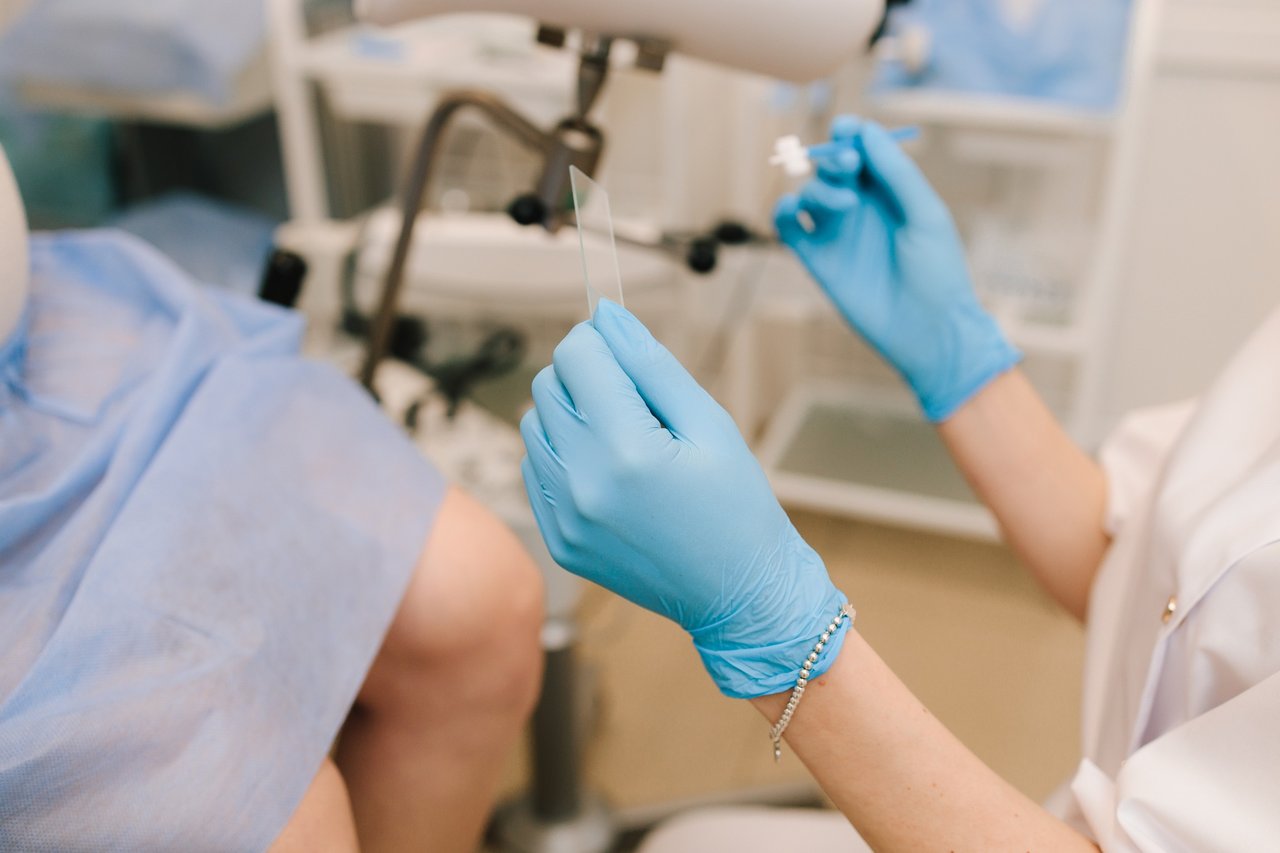
During the test, your provider uses a small brush to collect cells from your cervix. The cells are sent to a lab where they are checked for any changes. The whole process only takes a few minutes.
You may feel some pressure, but the test should not be painful. It is similar to what you might feel during a pelvic exam.
Why Are Pap Smears So Important?
Cervical cancer used to be one of the leading causes of cancer death in women. Thanks to Pap smears, that number has dropped a great deal over the years. The test can find cell changes early, often years before cancer has a chance to grow.
When caught early, cervical cancer is one of the most treatable forms of cancer. That is why staying on top of your Pap smear schedule matters so much. Most cervical cancers are caused by a virus called HPV. Your provider may also test for HPV at the same time as your Pap smear.
How Often Do You Need a Pap Smear?
How often you need a Pap smear depends on your age.
- Ages 21 to 29. You should get a Pap smear every three years.
- Ages 30 to 65. You have a few options. You can get a Pap smear every three years. You can also get a Pap smear along with an HPV test every five years.
- After 65. You may be able to stop getting Pap smears if your past results have been normal for several years. It is often helpful to talk to your provider to be sure.
You do not usually need a Pap smear before age 21. Even if you are sexually active, the risk of cervical cancer at that age tends to be very low. Your provider may want you to come in more often if you have had issues with past test results or have other risk factors.
If you have questions about Pap smears or are due for one, reach out to your Baptist Health gynecologist. If you don't have one, you can find a provider using our provider directory.